
In modern commercial architecture, the demand for energy-efficient, visually striking, and highly durable building envelopes has never been greater. One solution that continues to stand out is curtain walling – a sleek, non-structural façade system widely used across offices, schools, retail spaces, and high-rise developments.
At Alimatic AAS Ltd, we specialise in the design, fabrication, and installation of premium aluminium systems, including curtain walling, commercial doors, shopfronts, and aluminium windows. With years of industry experience, we work closely with architects, contractors, and developers to deliver systems that combine performance, aesthetics, and cost efficiency.
In this blog, we’ll explore exactly what curtain walling is, its key features, and why it has become such a popular choice for commercial buildings across the UK. Whether you’re planning a new development or upgrading an existing façade, this guide will help you understand why curtain walling could be the ideal solution. Contact us today for more information!
What is Curtain Walling?
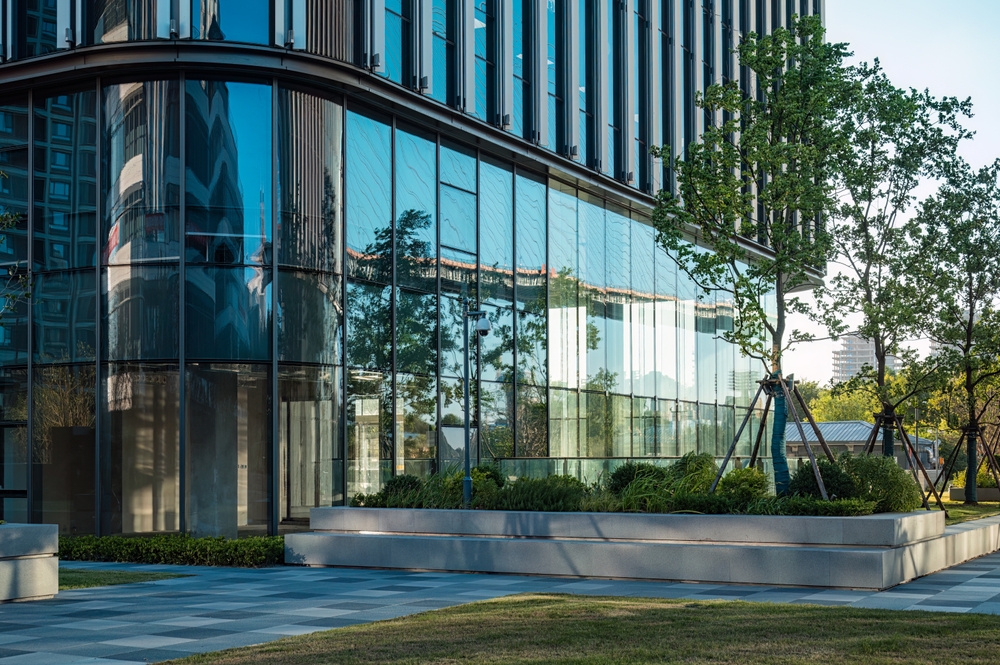
Curtain walling is a lightweight, non-load-bearing external façade system typically made from aluminium frames filled with glass, spandrel panels, or insulated infill materials. Unlike traditional brick or structural walls, curtain walling does not support the building’s load. Instead, it is anchored to the building’s structural frame and “hangs” like a curtain – hence the name.
This system is widely used in modern commercial construction because it allows buildings to achieve a contemporary, high-end appearance while maximising natural light penetration.
Curtain walling systems are commonly found in:
- Office buildings and corporate headquarters
- Shopping centres and retail developments
- Educational buildings such as schools and universities
- Healthcare facilities
- High-rise residential and mixed-use developments
One of the key advantages is its flexibility. Systems like those offered by Alimatic Architectural Aluminium Systems Ltd can integrate aluminium windows and doors seamlessly, ensuring a unified architectural finish.
Curtain walling also helps create visually continuous façades with slim sightlines, making buildings appear more open, modern, and inviting.
Curtain Walling Key Features
Curtain walling systems offer a range of performance and design benefits that make them a preferred choice in commercial construction. They are widely specified across modern developments due to their ability to balance aesthetics, efficiency, and long-term reliability. Below, we explore the key features in more detail.
1. Excellent Thermal Performance
Modern aluminium curtain wall systems are designed to achieve low U-values, helping buildings meet strict energy efficiency regulations. This improves insulation and reduces heating and cooling costs.
In addition, advanced thermal break technology helps minimise heat transfer between internal and external environments. This contributes to a more stable indoor climate throughout the year, enhancing occupant comfort in both winter and summer conditions.
2. Slim Sightlines for Aesthetic Appeal
Mullions and transoms are designed with slim, consistent profiles, creating a sleek and uniform external appearance. This allows architects to achieve a modern glass façade with minimal visual interruption.
The result is a visually striking building exterior that maximises transparency and light flow. This clean, contemporary aesthetic is particularly popular in commercial office developments where design impact is essential.
3. High Structural Durability
Manufactured using high-quality aluminium, curtain walling systems offer long-term durability and resistance to weathering, corrosion, and structural fatigue. This makes them particularly suitable for demanding urban and coastal environments.
Aluminium also maintains its structural integrity over time without warping or cracking. This ensures the façade continues to perform reliably with minimal degradation for decades.
4. Flexible Design Options
A wide range of box sizes and structural configurations allows designers to tailor systems to project requirements without compromising cost efficiency. This flexibility supports both standard and highly bespoke architectural designs.
It also enables curtain walling to be adapted to complex building geometries and large-span façades. As a result, architects have greater creative freedom when developing unique commercial structures.
5. Versatile Glazing Options
Curtain walling can accommodate various infill types, including vision glass panels, spandrel panels, insulated opaque panels, and different thickness glazing units. This versatility allows for both aesthetic and performance-driven design choices.
Different glazing combinations can also be used to enhance thermal, acoustic, or privacy performance depending on project requirements. This makes the system suitable for a wide range of commercial applications.
6. System Integration
Curtain walling is fully compatible with aluminium windows and doors, including specialist features such as anti-finger trap stiles for safety and compliance. This ensures a seamless architectural finish across the entire building envelope.
Integration also simplifies the design and installation process, reducing coordination challenges on-site. It creates a unified façade system that performs consistently across all elements.
7. Natural Light Maximisation
By incorporating large glazed areas, curtain walling allows natural daylight to flood interior spaces, improving occupant comfort and reducing artificial lighting use. This creates brighter, more productive working environments.
Increased natural light also contributes to improved well-being and energy savings over time. It enhances the overall usability and appeal of commercial interiors.
8. Weather Resistance
Designed to withstand wind loads, rain penetration, and thermal movement, curtain wall systems provide reliable protection in all weather conditions. This ensures the building envelope remains secure and watertight throughout its lifespan.
High-performance sealing systems and precision engineering further enhance resistance to environmental stress. This makes curtain walling suitable for exposed and high-rise installations.
Curtain walling combines advanced engineering with architectural flexibility, delivering a façade solution that performs as well as it looks. Its key features make it a reliable choice for modern commercial developments seeking long-term value and design excellence.
Why choose curtain walling for commercial buildings?
Curtain walling has become a cornerstone of modern commercial architecture, and for good reason. Its combination of performance, aesthetics, and flexibility makes it a highly attractive solution for developers, architects, and building owners.
Below, we explore the key reasons why curtain walling continues to dominate commercial design.
1. Modern Architectural Appeal
Curtain walling delivers a clean, contemporary façade that instantly enhances a building’s visual identity. The extensive use of glass creates a premium look that is associated with innovation and professionalism.
For businesses, this can significantly improve brand perception and create a strong first impression for clients and visitors.
2. Increased Natural Light
One of the most valued benefits is the ability to maximise natural daylight. This not only improves the internal environment but also supports well-being and productivity in workplaces.
Brighter interiors reduce the need for artificial lighting, contributing to lower energy consumption and improved sustainability credentials.
3. Energy Efficiency and Thermal Control
With growing emphasis on environmental performance, curtain wall systems are designed to support energy-efficient building standards. Advanced glazing and thermal breaks help regulate internal temperatures.
This reduces reliance on heating and cooling systems, lowering operational costs over time.
4. Design Flexibility
Curtain walling offers architects significant creative freedom. Systems can be tailored to suit a wide range of design requirements, including curved façades, large spans, and complex geometries.
This flexibility allows developers to achieve distinctive building designs without compromising functionality.
5. Structural Efficiency
Because curtain walling is non-load-bearing, it reduces structural demands on the main building frame. This can simplify construction processes and improve overall efficiency in design and installation.
6. Low Maintenance Requirements
Aluminium curtain wall systems are highly durable and require minimal maintenance compared to traditional building materials. Occasional cleaning and inspections are typically sufficient to maintain performance and appearance.
7. Acoustic Performance
Modern glazing options can significantly reduce external noise pollution. This is particularly important in urban environments where traffic and city noise can affect occupant comfort.
8. Fire Safety and Compliance Options
Curtain walling systems can be designed to comply with stringent fire safety regulations, incorporating fire barriers and tested materials where required.
9. Long-Term Cost Efficiency
While initial installation may represent a higher investment, the long-term savings in energy efficiency, maintenance, and durability often make curtain walling a cost-effective choice.
10. Seamless Integration with Other Systems
Curtain walling can integrate seamlessly with aluminium windows, commercial doors, and entrance systems. At Alimatic AAS Ltd, this integrated approach ensures consistency in performance and design across the entire building envelope.
Ultimately, curtain walling is more than just a façade solution. It is a strategic architectural choice that enhances performance, aesthetics, and long-term value for commercial buildings.
Things To Consider
While curtain walling offers many advantages, there are important factors to consider before specification or installation:
Budget Planning
Initial costs can be higher than traditional cladding systems, so accurate budgeting is essential.
Thermal Requirements
Ensure the system meets current UK building regulations for energy efficiency.
Structural Design
The building’s frame must support the curtain wall system effectively.
Glazing Selection
Choosing the right glass type is crucial for performance, safety, and aesthetics.
Maintenance Access
Consider how the façade will be cleaned and maintained over time.
Planning Permissions
Some buildings may require approval depending on location and design.
Installer Expertise
Always work with experienced specialists like Alimatic AAS Ltd to ensure correct installation and compliance.
Careful planning at the design stage helps ensure the system performs effectively throughout its lifecycle.
A Future-Ready Facade: Designing Buildings with Impact
Curtain walling represents the future of commercial building design – combining innovation, sustainability, and architectural beauty. As buildings continue to evolve towards greener and more efficient standards, curtain wall systems offer a solution that meets both aesthetic and technical demands.
At Alimatic AAS Ltd, we work closely with clients from concept to completion, delivering tailored aluminium curtain walling systems that meet exact project requirements. Our expertise ensures high-quality fabrication, precision installation, and long-term performance.
If you are looking to elevate your next commercial development, curtain walling offers a proven way to enhance value, appearance, and efficiency. Get in touch with Alimatic AAS Ltd today for more information about our services!
In Conclusion: Building the Future with Confidence
Curtain walling is more than just a design feature – it is a modern building solution that delivers performance, sustainability, and architectural impact. From maximising natural light to improving energy efficiency, it offers clear advantages for today’s commercial developments.
Choosing the right system and installation partner is essential to achieving the best results. At Alimatic AAS Ltd, we pride ourselves on delivering high-quality aluminium curtain walling solutions tailored to each project’s needs. Our team supports architects, developers, and contractors across the UK with expert guidance and precision engineering.
If you’re planning a commercial project and want a façade system that stands the test of time, curtain walling is a powerful choice worth considering.
FAQs
What is curtain walling used for?
It is mainly used for commercial buildings such as offices, schools, retail centres, and high-rise developments.
Is curtain walling structural?
No, it is non-load-bearing and is attached to the building’s structural frame.
What materials are used in curtain walling?
Typically, aluminium framing with glass, spandrel panels, or insulated infill materials.
Is curtain walling energy efficient?
Yes, modern systems offer excellent thermal performance and low U-values.
How long does curtain walling last?
With proper maintenance, aluminium curtain wall systems can last several decades.
Can curtain walling reduce noise?
Yes, specialised glazing can significantly improve acoustic insulation.
Is curtain walling expensive?
Initial costs can be higher, but long-term savings often outweigh the investment.
Can doors and windows be integrated?
Yes, aluminium windows and doors can be seamlessly integrated into the system.
Does curtain walling require maintenance?
Minimal maintenance is needed, mainly cleaning and periodic inspections.
Why is curtain walling popular in modern buildings?
Because it combines aesthetics, energy efficiency, and design flexibility.
To learn more about our curtain walling systems or to discuss your upcoming project, contact Alimatic AAS Ltd today!